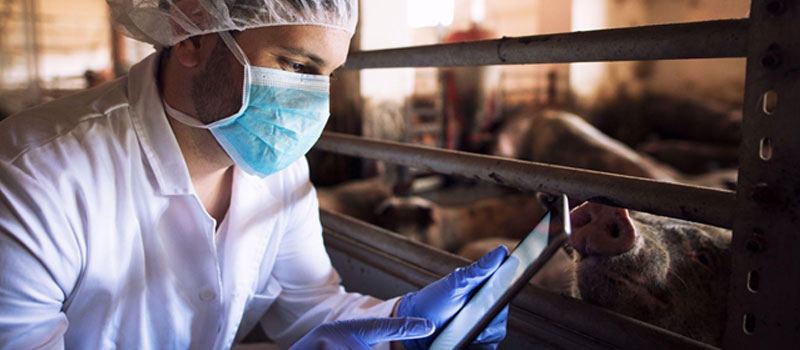
Animal feed is at the heart of livestock and poultry production. In fact, feed accounts for nearly 70% of total production costs, making it one of the most critical factors for profitability. For farmers and feed manufacturers in Africa, where feed ingredient prices are rising and resources are often limited, the challenge is simple but pressing: how do we ensure animals get the right nutrition without overspending or wasting resources?
This is where predictive analytics, the use of big data, algorithms, and artificial intelligence (AI), is starting to reshape the future of animal nutrition. By predicting what animals will need, when they will need it, and how to optimise diets for both health and cost efficiency, predictive analytics promises to unlock new levels of productivity and sustainability.
What is Predictive Analytics in Nutrition?
In simple terms, predictive analytics means using historical data, real-time information, and algorithms to forecast future needs. In animal nutrition, it translates into:
● Predicting the nutritional requirements of poultry, cattle, or dairy herds at different life stages.
● Forecasting feed intake and growth patterns based on breed, age, environment, and health.
● Identifying early signs of nutritional deficiencies or health risks.
● Optimising feed formulation by balancing cost and nutritional efficiency.
Instead of relying on experience alone, farmers and nutritionists now have tools that analyse thousands of variables from climate and genetics to market feed prices before recommending the best diet.
How Predictive Analytics Improves Feed Efficiency
The impact of predictive analytics can be seen across the feed-to-farm cycle:
● Customised Diets at Scale: Every animal has different nutritional needs. AI-powered models can create precise feed formulas tailored for breed, age, weight, and even climate conditions, ensuring optimal growth without overfeeding.
● Cost Forecasting: Feed manufacturers can predict fluctuations in the prices of maize, soy, and other ingredients, allowing them to source smartly and plan diets that balance cost and nutrition.
● Reduced Waste: Predictive tools align feed intake with actual growth requirements, reducing unnecessary feeding. Less waste means lower costs and better environmental sustainability.
● Improved Animal Health: By predicting deficiencies or overnutrition, analytics helps prevent diseases linked to poor diet, reducing veterinary costs and losses.
● Sustainability Gains: Optimized feeding reduces the overuse of protein and other resources, lowering methane emissions and making livestock farming more climate-smart.
Global Examples Leading the Way
Globally, predictive analytics in animal nutrition is already being applied:
1. Cargill uses digital platforms that combine feed data with animal growth models to recommend cost-efficient rations.
2. DSM integrates AI-based nutritional models to predict animal performance and reduce inefficiencies.
3. Startups are building mobile-based solutions that connect IoT barn sensors with machine learning tools to optimize poultry feeding in real time.
While most of these innovations are emerging in North America and Europe, early signs of adoption are also visible in Africa. Pilot projects in Kenya, Nigeria, and South Africa are exploring data-driven feed management to help farmers cut costs while meeting growing protein demand.
Why Predictive Analytics Matters for Africa?
For Africa, predictive analytics is more than just a new technology; it could be a game-changer. Feed is expensive and often scarce, with high maize and soy costs forming a major part of production challenges. Smarter feed planning can ease this burden, while rising protein demand driven by a growing population and middle class makes efficient feeding essential to meet poultry, dairy, and meat needs.
Smallholder farmers, who dominate the agricultural landscape, can now access insights once reserved for large corporations through mobile-friendly, low-cost predictive tools. Additionally, variable rainfall and changing climate conditions affect feed availability, and predictive analytics can help farmers plan effectively around these uncertainties.
Despite its promise, predictive analytics faces several hurdles in Africa’s livestock sector. High costs of AI solutions make advanced platforms unaffordable for many smallholders, while reliable large-scale animal nutrition data is limited.
Infrastructure gaps, including poor internet connectivity and low digital literacy, further hinder adoption, and farmers may be hesitant to rely on algorithms over their traditional knowledge. Overcoming these challenges will require collaboration among governments, tech startups, feed companies, and NGOs to make predictive tools both accessible and affordable.
Feed efficiency is no longer just about balancing protein and energy; it’s about harnessing the power of data, analytics, and AI to feed animals smarter, cheaper, and more sustainably. For Africa, where the pressure to increase food production while keeping costs low is immense, predictive analytics offers a promising path forward.